One of the pleasures—and challenges—of preparing a new talk is that it forces me to revisit records I haven’t looked at for a while. This week I’ve been putting the finishing touches to a new two-hour lecture on the Court of Chancery for the Society of Genealogists’ Family History Skills course, and once again I’ve found myself asking the same question:
Why don’t more family historians use Chancery records?
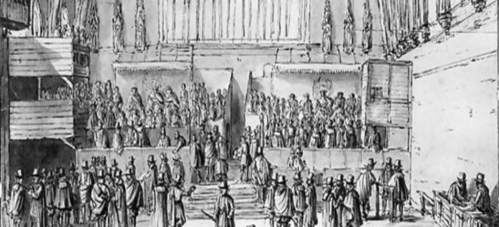
Perhaps it’s the name. “Chancery” sounds intimidating, conjuring up images of complicated legal disputes, dusty law books and endless paperwork. Even Charles Dickens didn’t help, famously portraying the Court of Chancery in Bleak House as painfully slow and bewilderingly complex.
The reality, however, is very different.
For family historians, Chancery records can be among the richest and most rewarding sources available. They don’t simply record names and dates—they tell stories.
Unlike parish registers, which record baptisms, marriages and burials, or census returns, which provide a snapshot every ten years, Chancery records explain why families fell out, how property passed from one generation to another, and who was involved in the disputes that shaped their lives.
Because cases relied almost entirely on written evidence, an astonishing range of documents survives. Bills of Complaint explain the background to a dispute, often tracing family relationships back through several generations. Defendants responded with detailed Answers, while witnesses gave evidence in Depositions and Affidavits. As cases progressed, Orders, Master’s Reports and Exhibits added yet more information, sometimes preserving copies of wills, deeds, parish register entries, inventories and estate accounts that no longer survive elsewhere.
These are not simply legal documents—they are windows into ordinary lives.
I’ve been reminded this week of one affidavit in which witnesses gleefully described one another as, “a notorious liar” and “a vile fellow”. Another records a young boy accused of biting and kicking the nursemaid while chasing chickens around the farmyard. It’s difficult not to smile when reading them. Suddenly, ancestors stop being names on a pedigree chart and become recognisable human beings with personalities, tempers and opinions.
Preparing this lecture has also reinforced something I’ve long believed about genealogy. The best records are rarely the ones that simply confirm a fact; they’re the ones that explain it. A Chancery case might tell you not only that someone inherited a property, but why they inherited it, who challenged the inheritance, what evidence was produced and how the dispute was finally resolved.
Of course, these records do require patience. They can be lengthy, repetitive and occasionally frustrating. But they’re also immensely rewarding. More than once I’ve found that a Chancery case has solved a problem that years of searching in parish registers and probate records had failed to answer.
Perhaps that’s why I enjoy researching them so much.
So if you’ve never ventured into the Court of Chancery before, don’t be put off by the legal terminology. Once you understand the basic structure of a case, the records become far less daunting—and before long you’ll find yourself reading not just legal proceedings, but the lives of the people behind them.
As I often say in my talks:
Parish registers tell us who our ancestors were. Census returns tell us where they lived. Wills tell us what they owned. Chancery records tell us their story.
I hope that, after this week’s deep dive into preparing the lecture, a few more family historians will be tempted to discover those stories for themselves.

