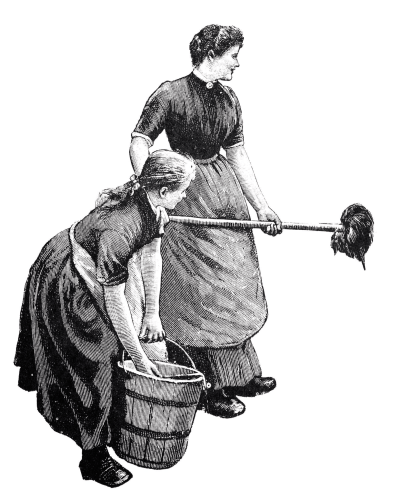
I know that 1 June marks the start of astrological summer, so I am rather late with my “spring” cleaning. This week, however, alongside my research work, that is exactly what I have been doing. After two weeks of plumbers and other tradespeople installing a new bathroom and downstairs cloakroom, the house was certainly in need of a thorough tidy-up.
As I worked my way through the dust and clutter, it got me thinking: why do we call it “spring cleaning”? Is it simply because it takes place in spring, or is there a deeper history behind the tradition? More importantly, is this something our ancestors would have recognised?
As it turns out, the practice of spring cleaning has a remarkably long history, rooted in a combination of practical necessity, religious observance, and even human biology.
Ancient Traditions of Renewal
Long before modern cleaning products and vacuum cleaners, many cultures marked the arrival of spring with rituals of cleansing and renewal.
In Iran, the celebration of the Persian New Year, Nowruz, includes khaneh tekani—literally “shaking the house”—during which homes are thoroughly cleaned in preparation for the new year. In Jewish households, extensive cleaning takes place before Passover to remove all traces of chametz (leavened food), following biblical tradition. Similar customs can be found elsewhere, including in Christian traditions associated with Easter and in Chinese New Year celebrations, where cleaning symbolically sweeps away bad luck and welcomes a fresh start.
These customs demonstrate that the desire to refresh both home and spirit at the turning of the seasons is far older than the phrase “spring cleaning” itself.
A Victorian Necessity
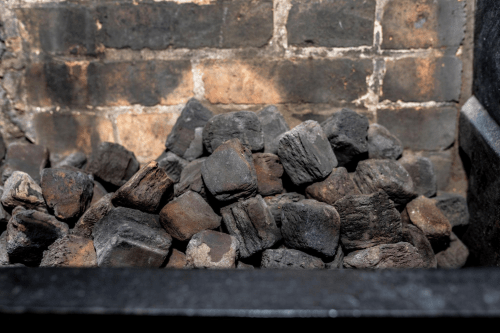
In Britain, spring cleaning became particularly associated with the nineteenth century. Before central heating and electric lighting, homes relied on coal fires, wood-burning stoves, candles, and oil lamps. During the winter months, windows remained tightly shut against the cold, allowing soot, smoke, and grime to accumulate on every surface.
By spring, walls, ceilings, curtains, carpets, and furniture often required serious attention. The arrival of warmer weather meant windows could finally be opened, bedding aired, rugs beaten outside, and rooms thoroughly scrubbed without freezing the occupants.
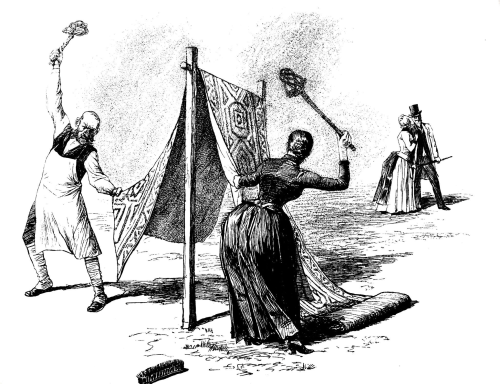
By spring, walls, ceilings, curtains, carpets, and furniture often required serious attention. The arrival of warmer weather meant windows could finally be opened, bedding aired, rugs beaten outside, and rooms thoroughly scrubbed without freezing the occupants.
For Victorian households, spring cleaning was not an optional lifestyle choice—it was a practical necessity.
In larger homes and country estates, the annual clean could take days or even weeks and involved numerous servants. Domestic manuals, household guides, and estate records frequently refer to these major cleaning operations, which formed part of the annual rhythm of household management.
Nature Gives Us a Helping Hand
There may even be a biological explanation for why many of us still feel the urge to clean and declutter at this time of year.

During the darker winter months, reduced sunlight encourages the body to produce more melatonin, the hormone associated with sleep and lethargy. As daylight increases in spring, melatonin levels decrease and energy levels often rise. Many people experience a renewed sense of motivation, making the prospect of tackling long-postponed household tasks a little less daunting.
Perhaps our ancestors experienced the same seasonal boost, even if they would not have understood the science behind it.
What Can Family Historians Learn?
For family and local historians, spring cleaning offers an interesting glimpse into everyday life.
Evidence of domestic routines can sometimes be found in surprising places: household account books recording purchases of soap and cleaning materials; diaries describing annual chores; estate records detailing servants’ duties; and women’s magazines and domestic manuals offering advice on household management.
Such records remind us of the considerable labour required to maintain a home before modern conveniences. They also help us understand the seasonal rhythms that shaped our ancestors’ lives—something that can easily be overlooked when we focus solely on births, marriages, and deaths.
Spring Cleaning Today
Today, vacuum cleaners, central heating, and modern cleaning products have removed much of the practical need for a major annual clean. Yet the tradition survives.

For many of us, spring cleaning has become less about removing soot and more about decluttering, reorganising, and making a fresh start. In that sense, we are continuing a custom that stretches back centuries, combining practical housekeeping with a timeless human desire for renewal.
So, while my own “spring” cleaning may have slipped into summer this year, perhaps I can take comfort from the fact that I am participating in a tradition that our ancestors would have understood very well indeed.
And as historians, it serves as a useful reminder that even the most ordinary household chores can reveal a great deal about how people lived, worked, and organised their everyday lives.

