Dover Castle and Battle Abbey
Half term seemed like the perfect opportunity to get out and explore a little history with the children, so we headed off to visit two rather different, but equally fascinating, historic sites: Dover Castle and Battle Abbey.
Both have played important roles in English history, although for very different reasons. From defending the coastline against invasion to marking the site of one of the most significant battles in English history, there was plenty to discover – and, hopefully, a little history to absorb along the way!
Dover Castle – The Key to England
Our first stop was Dover Castle, often described as the ‘Key to England’ because of its strategic position overlooking the English Channel.
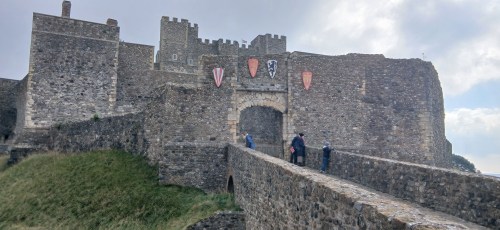
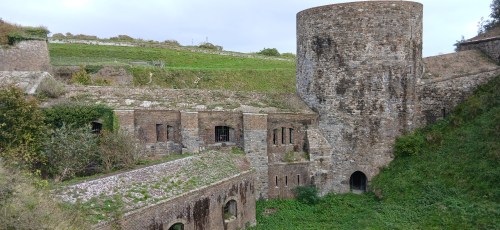
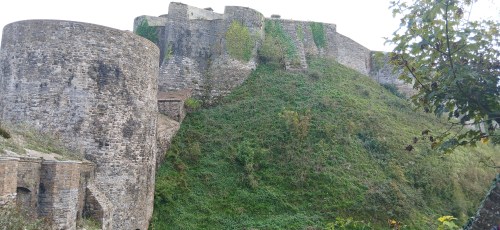

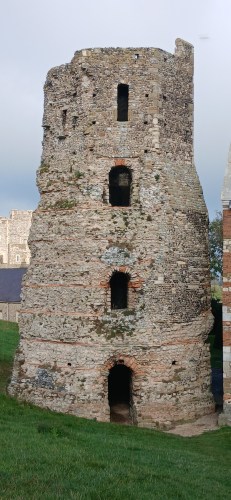
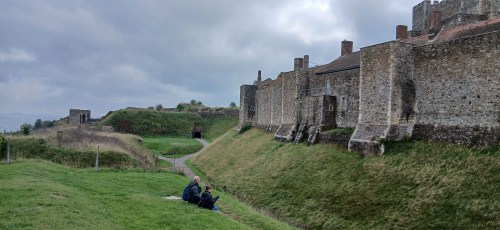
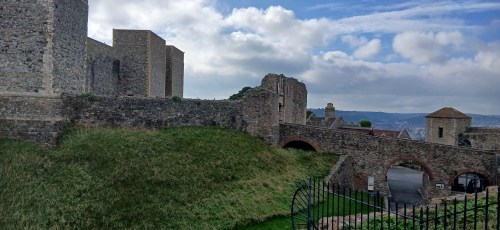
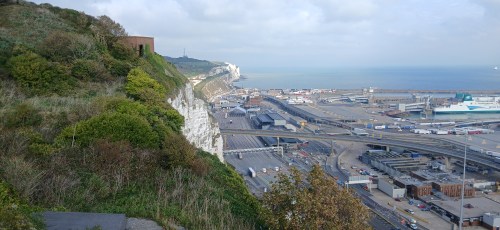
It is difficult not to be impressed by the castle as you approach it. Sitting high above the town and coastline, its position makes it immediately obvious why this was such an important defensive site for centuries.
The site has a much longer history than its medieval appearance might suggest. There has been a fortification here since at least the Iron Age, and the Romans constructed a lighthouse, or pharos, which still survives today. The Saxons also used the site before William the Conqueror established his control following the Norman Conquest.
The impressive Great Tower was built during the reign of Henry II in the twelfth century. It was designed not simply as a defensive stronghold but also as a demonstration of royal power. Walking around the castle gives you a real sense of its scale and the importance attached to defending this stretch of coastline.
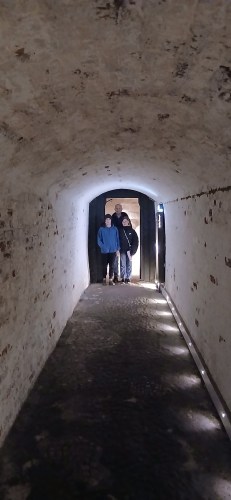
One of the most interesting aspects of Dover Castle is that its military history did not end in the medieval period. During the Napoleonic Wars, the castle and its surrounding defences were adapted, and during the Second World War its tunnels played an important role in military operations, including the evacuation of Dunkirk in 1940.
It is fascinating to see how one location has been adapted and reused over so many centuries, with each generation leaving its mark.
There was plenty to explore, and it was a good reminder that history is not just about dates and names in a textbook. Standing inside a medieval castle or exploring its defensive structures makes the past feel much more tangible.
Battle Abbey – Where English History Changed
Our second visit took us to Battle Abbey in East Sussex, the site of the famous Battle of Hastings, fought on 14 October 1066.
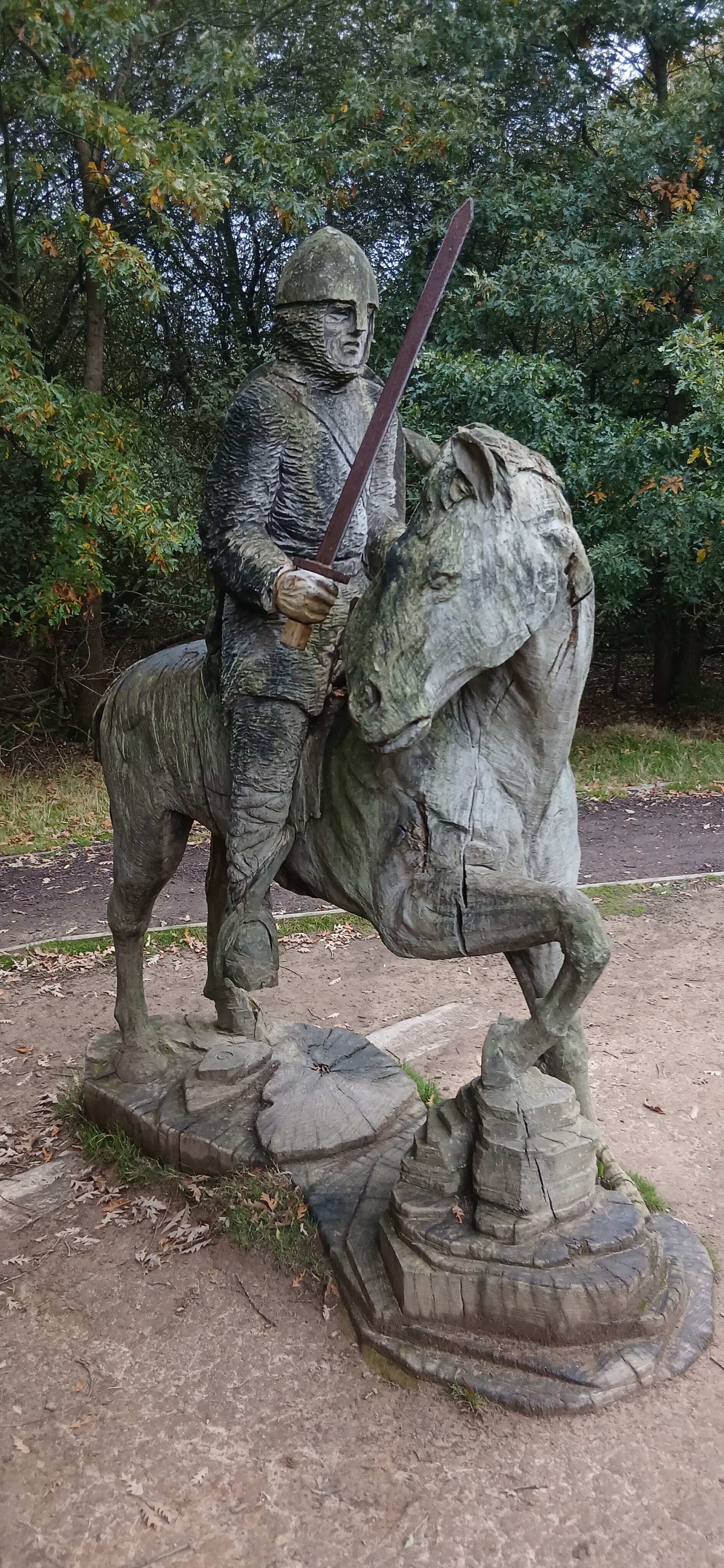
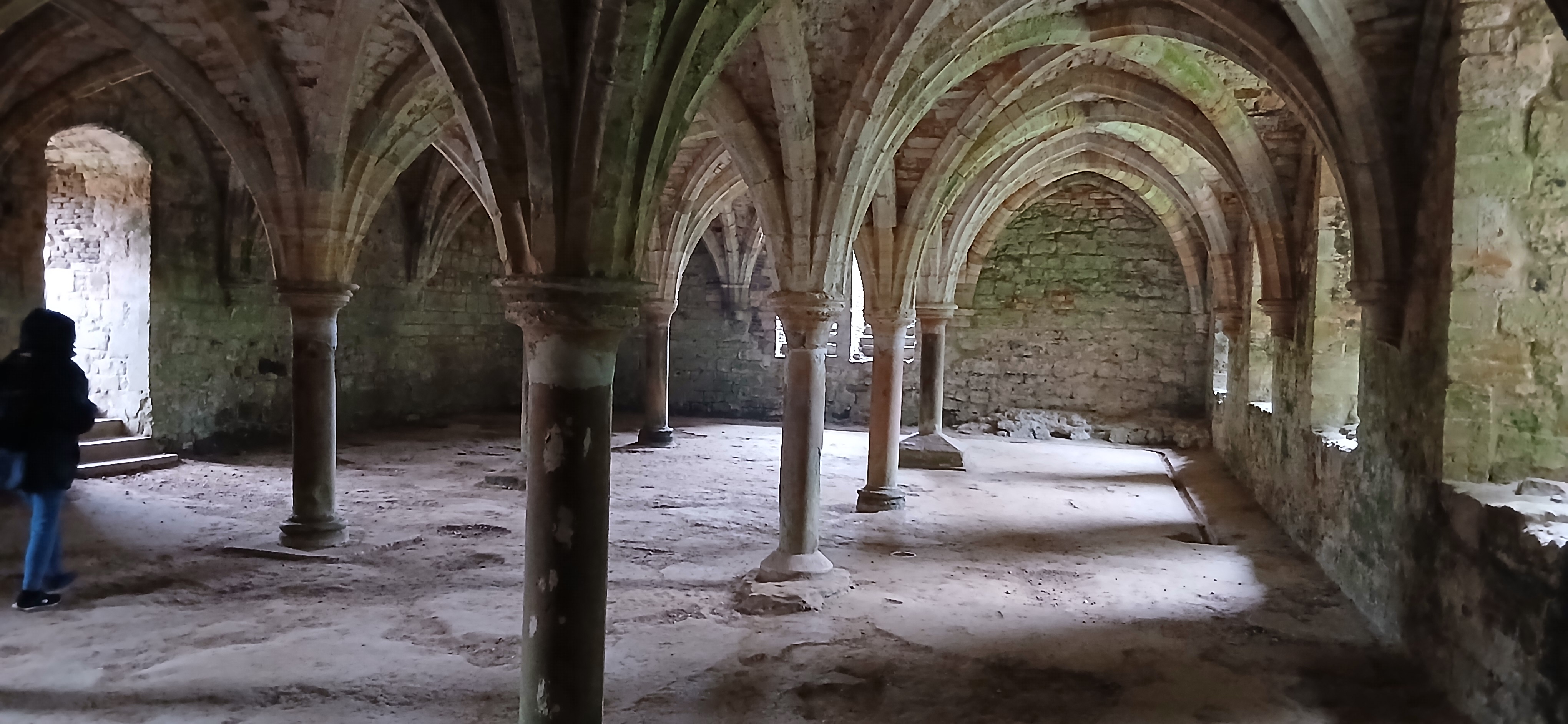
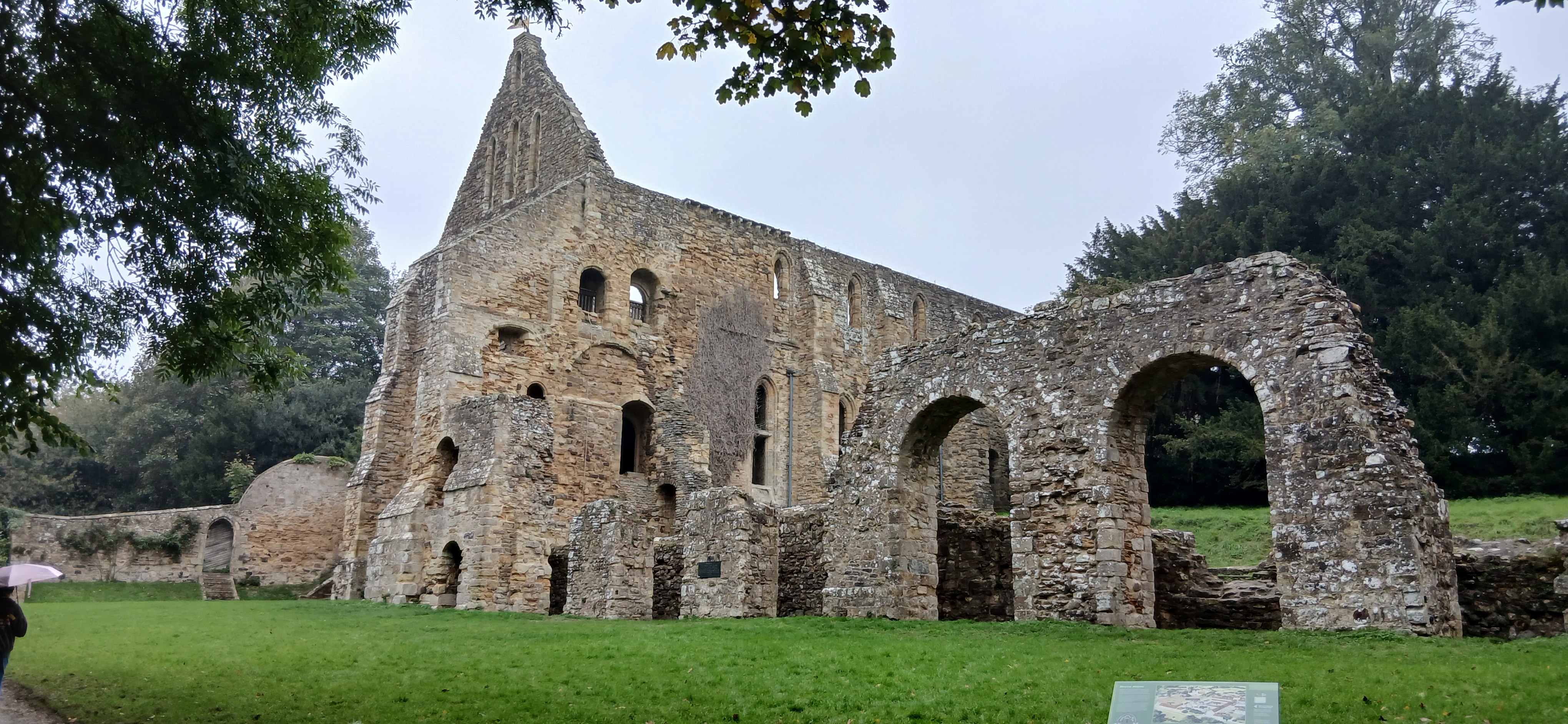
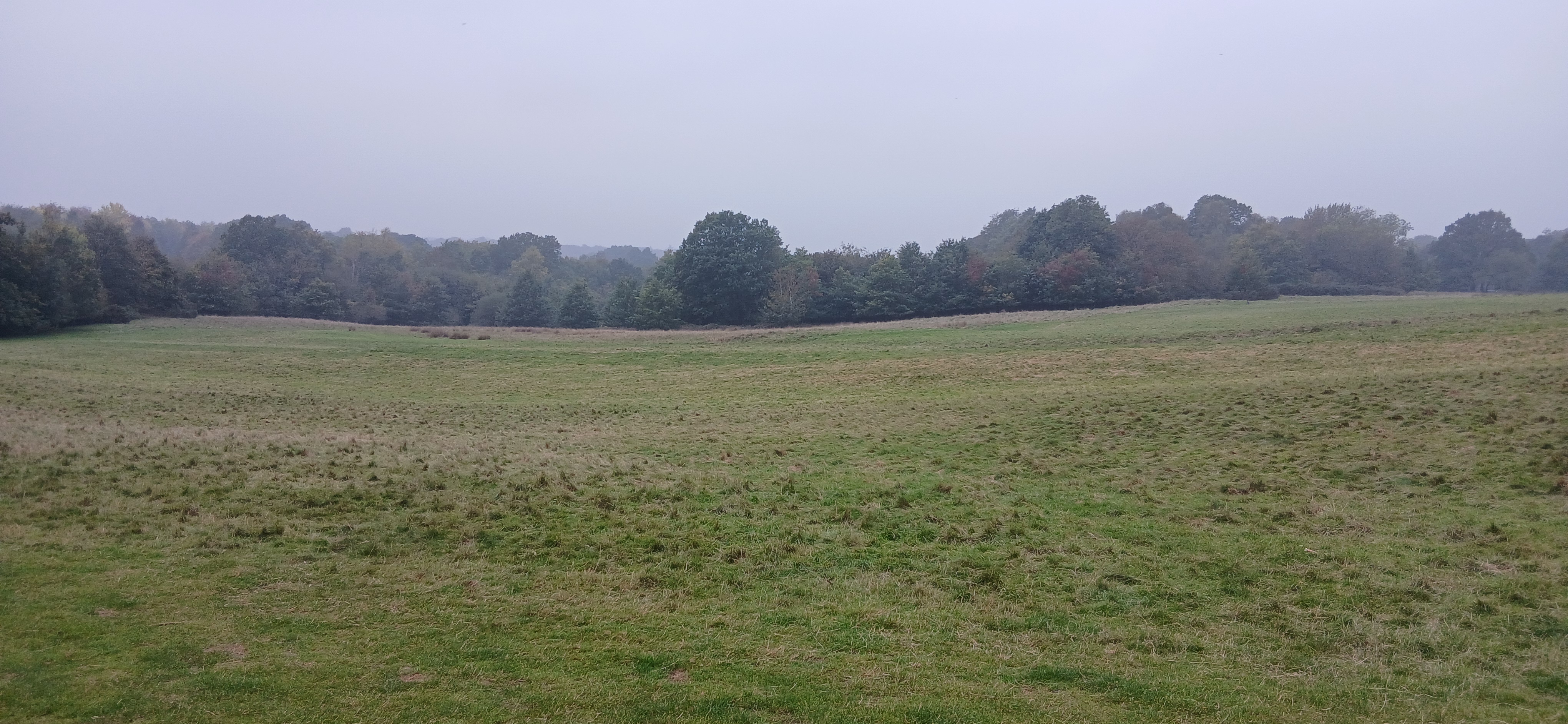
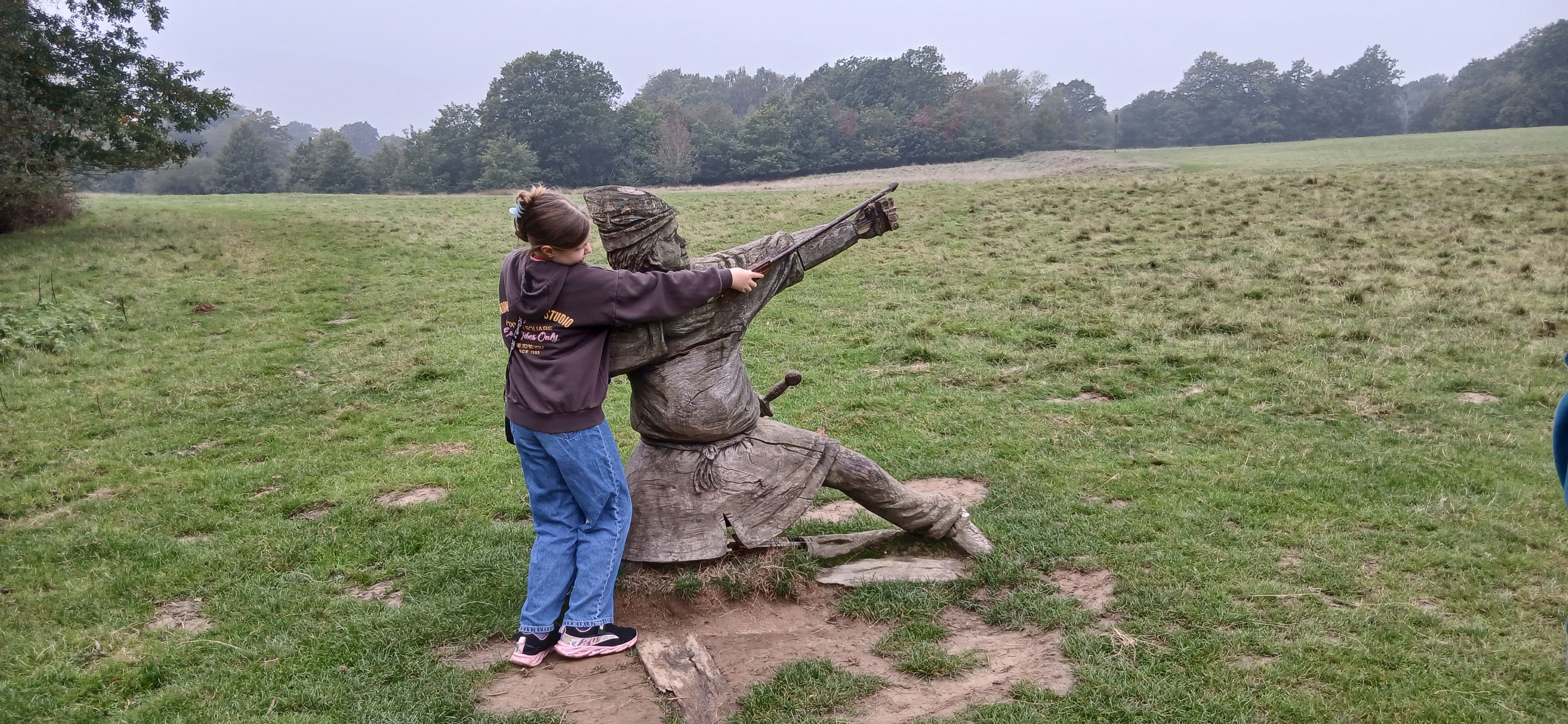
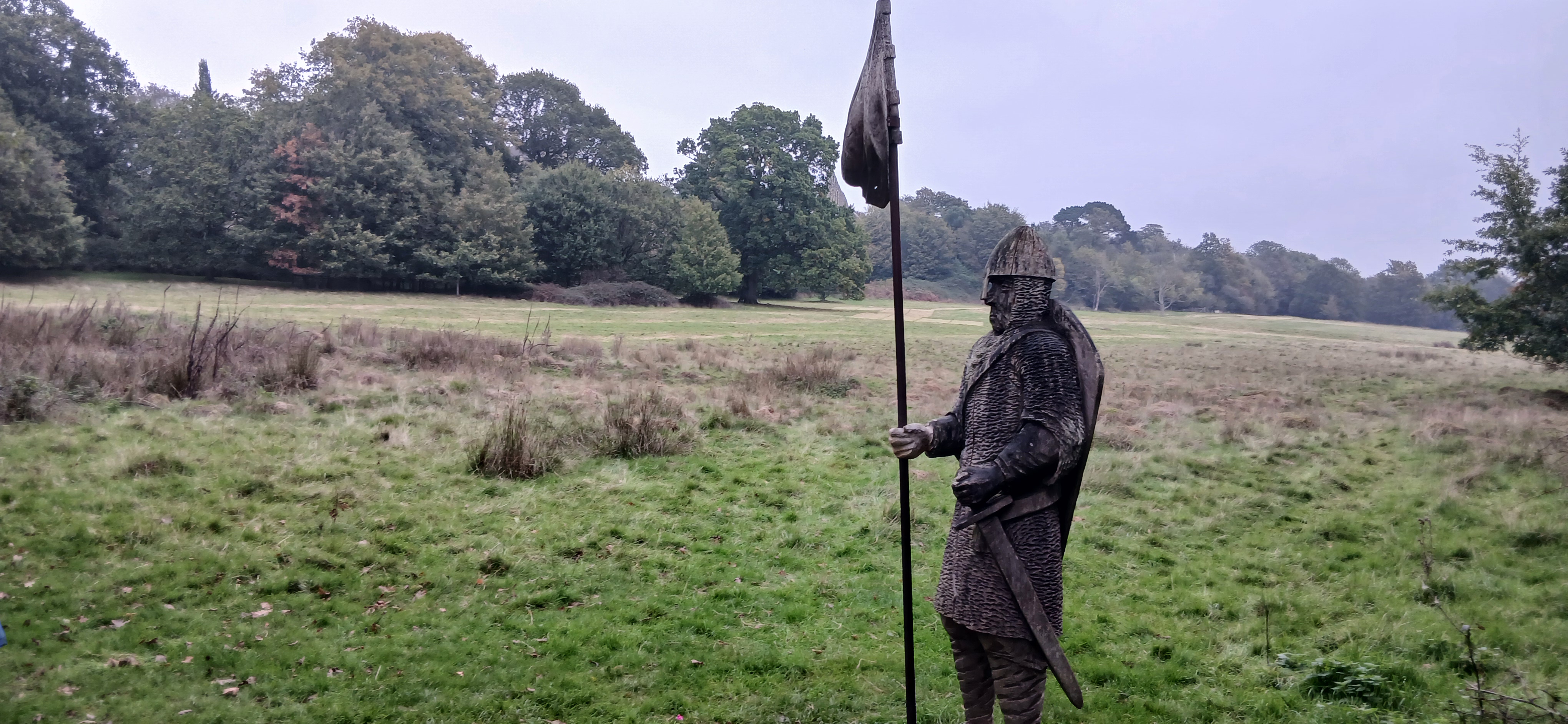
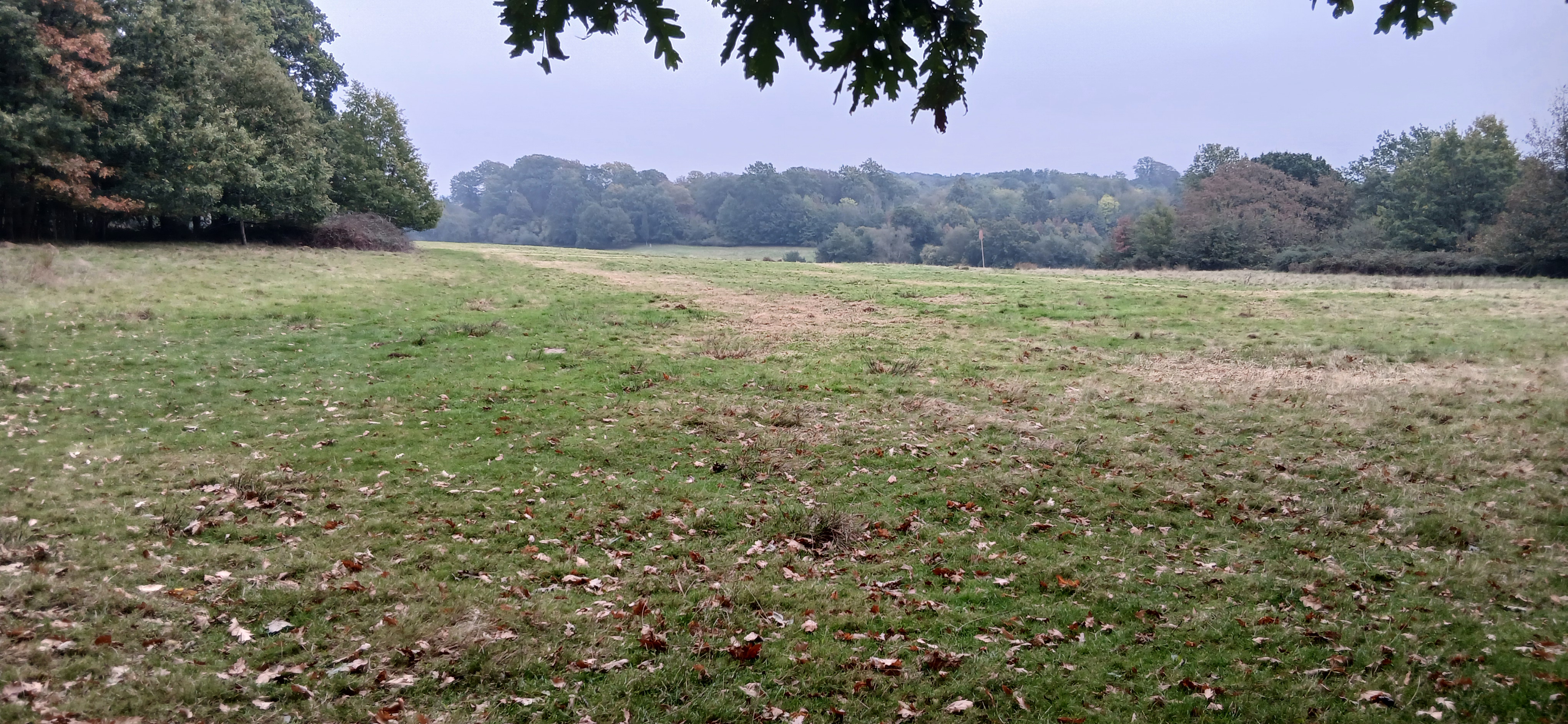
This is one of those places that almost everyone learns about at school, but visiting the actual battlefield gives the story a completely different perspective.
The battle was fought between the forces of Harold Godwinson, the last crowned Anglo-Saxon king of England, and William, Duke of Normandy. Following his victory, William became King of England, beginning a period of enormous political, social and cultural change.
According to tradition, William vowed to build an abbey on the site of his victory. Battle Abbey was subsequently established, with the high altar said to have been placed where Harold fell.
Walking around the site, it is interesting to consider just how much changed as a result of that single day. The Norman Conquest transformed landownership, government, architecture and the language of England. For anyone interested in family and local history, the consequences were enormous, particularly when considering the redistribution of land and the creation of the feudal structures that would shape medieval society.
The abbey itself is now largely ruined, but there is still plenty to see. The remains give an impression of the scale and importance of the original religious foundation, while the battlefield provides an opportunity to imagine how events unfolded.
It is also a particularly useful place to visit if you are interested in understanding the landscape of historical events. The ground, slopes and positioning of the opposing armies all help explain why the battle developed as it did.
Bringing History to Life
What I particularly enjoy about visits like these is the opportunity to connect the history we read about with the places where it actually happened.
Dover Castle tells a story of defence, royal power and centuries of military history, while Battle Abbey marks a moment that fundamentally changed the course of English history.
They are also reminders of how much history is all around us. Buildings, landscapes and surviving archaeological remains can tell us an enormous amount about the people who lived, worked and fought there.
And, of course, half-term visits are not just about the history! They are a chance to spend time together, explore somewhere new and hopefully encourage the next generation to take an interest in the past.
Two very different sites, two very different periods of history, but both well worth a visit. A successful half-term history adventure!

