Researching family history in the early modern period (c.1500–1600) can be challenging. Parish registers of baptisms, marriages, and burials—often the foundation of genealogical research—frequently do not survive from this period. Even where they do, gaps and inconsistencies are common.
So how can you trace your ancestors when the usual records are missing?
Despite these challenges, this is one of the most rewarding periods to explore. From the reign of Henry VIII through to the Civil War, this era brought major political, religious, and social changes that shaped modern Britain.
The Problem: Missing Parish Records
For many family historians, parish registers are the starting point. But before the late 16th and early 17th centuries, surviving records can be sparse or non-existent.
This means you need to look beyond traditional sources and explore alternative records that can provide indirect evidence of family relationships.
A Case Study: Researching an Early 1600s Ancestor
I recently worked on a case from the early 1600s where parish records were almost entirely absent. The only confirmed record was a marriage from 1629.
The individual was believed to belong to a relatively prominent family, but there was no firm evidence to confirm parentage or earlier generations.
To move forward, I turned to records held at The National Archives (TNA), starting with a Chancery case in which the individual appeared as a defendant.
Using Chancery Records for Genealogy
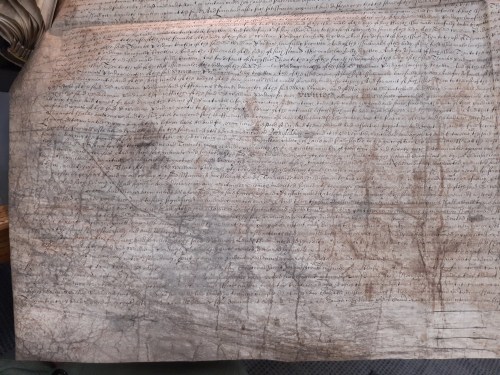
Chancery records are one of the most underused sources in early modern genealogy. While they are not fully digitised and often require a visit to TNA, they can contain rich personal and family information.
Importantly, individuals appear in these records in many roles—not just as plaintiffs or defendants, but also as:
- Witnesses
- Deponents
- Servants giving testimony
As a general rule, if your ancestor owned property, held land, or left a will, they may appear in Chancery proceedings. This includes:
- Landowners
- Yeoman farmers
- Merchants
- Skilled craftsmen
- Manorial tenants
- Women and children (often represented by close relatives)
Even agricultural labourers may appear, particularly when described as tenants of small holdings.
In my case, the defendant’s response revealed that he was a miller and a tenant of the lord of the manor—an important clue that opened up new research avenues.
Turning to Manorial Records
This discovery pointed directly to manorial records.
The manor of Hurst in Berkshire was created from the larger manor of Sonning, so I began by consulting rental records for Sonning held at TNA. These provided several possible family connections.
Further records for Hurst are held at Royal Berkshire Archives, which will be the next stage of the research.
Why Manorial Records Matter
Although the manorial system was declining by the 16th and 17th centuries, it still governed landholding and tenancy.
Manorial records can include:
- Rentals and tenant lists
- Court rolls
- Copyhold records
- Land transfers
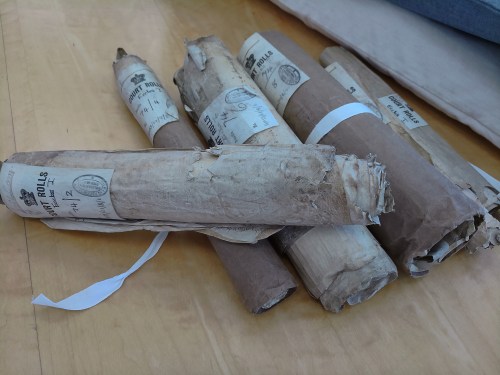
Even freeholders often owed small (“peppercorn”) rents, meaning they may still appear in these documents.
For occupations like milling, manorial records are especially valuable, as mills were often leased to tenants.
Other Useful Records for Early Modern Research
Chancery and manorial records are just part of the picture. Other key sources include:
- Wills and probate records
- Equity and common law court records
- Ecclesiastical court records
- Quarter Sessions records
By combining these sources, it is often possible to reconstruct family relationships even in the absence of parish registers—and sometimes push research back into the medieval period.
Final Thoughts
Researching the early modern period requires a shift in approach. When parish records are missing, success depends on exploring alternative sources and building evidence from multiple directions.
Chancery cases and manorial records, in particular, can provide the crucial links needed to trace family connections and extend your family tree further back in time.
 Sarah Pettyfer