Last week has been a bit of a whirlwind, with a familiar mix of everyday life and the unexpected – although children off school ill at this time of year is probably about as expected as it gets!
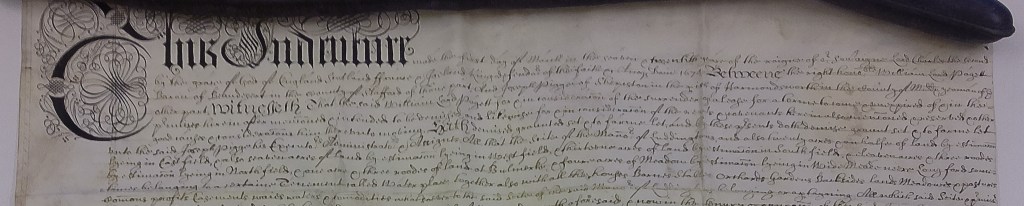
Research-wise, it’s been a real mixed bag: from female criminals in Victorian Surrey, to 17th-century deeds for Harmondsworth, and even some late medieval digging into a cottage in my own village. Let me explain…
Women, crime, and Victorian Surrey
I’ve been spending time researching female criminals in Victorian Surrey in preparation for a talk I’ll be giving as part of the Society of Genealogists’ Crime and Punishment series. The talks run on Thursday evenings from 8 January through to 26 March, but don’t worry – I’m not “live” until 12 March at 7.30pm, so there’s still plenty of time to pull everything together.
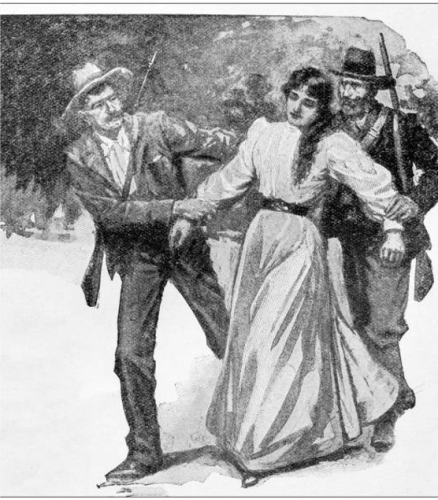
It’s been fascinating (and sometimes quite moving) trying to piece together the lives of ordinary women who found themselves on the wrong side of the law. Looking at the Surrey calendars of prisoners (available on Ancestry, with the originals at Surrey History Centre), the most common crime by far is theft – in all its many forms. Jewellery, clothes, food… all feature heavily. Other recurring offences include running brothels, violence, and, occasionally, murder.
For the talk, I’ll be looking beyond the crimes themselves and digging into the lives of some of these women to try and understand why they did what they did. If that sounds like your sort of thing, keep an eye on the Society of Genealogists website and join me on 12 March.
Deeds, deeds, and more deeds
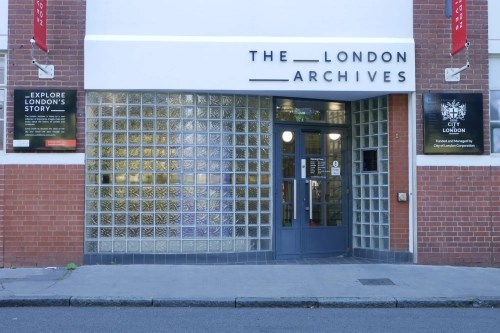
This week also marked my first archive visit of 2026 – and slightly surprisingly, it wasn’t to The National Archives or Surrey History Centre, but to The London Archives. I was there doing some client research into 17th-century deeds for Harmondsworth.
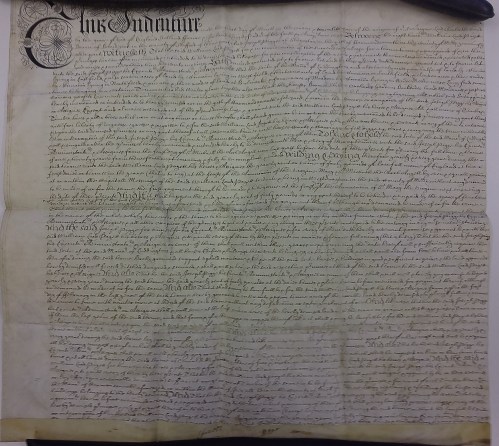
I’ll admit it: deeds are one of my favourite types of historical records (second only, perhaps, to court records). They’re incredibly numerous, survive in huge numbers, and can turn up almost anywhere – in archives, private collections, or even, in my case, in a plastic bag handed to me by a local history society member back in 2023! Thankfully, those village deeds are now safely stored in an archive-quality box.
Deeds are wonderful because they show us how land was owned, used, and passed down, and the further back you go, the more likely they are to be the only records that mention certain people. For genealogists, they’re absolute gold – especially when parish registers are missing or sparse.
That was exactly the situation in Harmondsworth. Despite some technical hiccups at TLA (which delayed my second document order), I managed to get through 16 deeds in a day. Only one included any Latin – a bond – which felt like a small win! Best of all, a run of nine deeds allowed me to identify three generations of the same family. There are plenty more deeds still to explore, so hopefully even more connections will emerge.
A medieval cottage on my doorstep
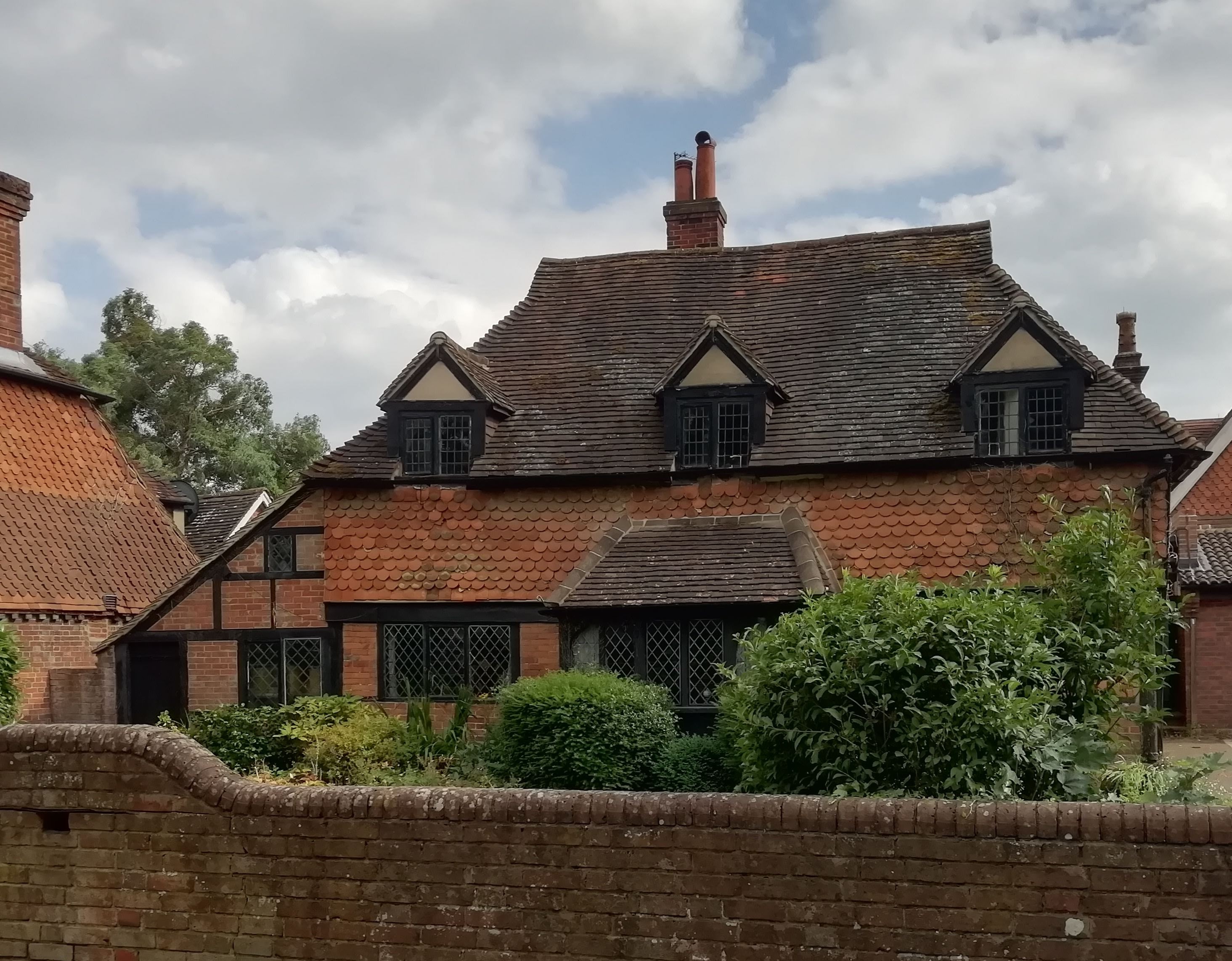
As for the medieval cottage in my village… I’ll be honest, I didn’t actually do any hands-on research on it this week, but it’s very much an ongoing project, and we did at least have a meeting about it!
The project, run by Cranleigh Heritage Trust is researching the history of what’s believed to be the first cottage hospital in the country, right here in Cranleigh, Surrey. The building is Grade II listed and has been dendrochronologically dated to 1445. At that point, Cranleigh (then spelt Cranley) didn’t even make it into the Domesday Book and was still little more than a scattering of farms within the Hundred of Blackheath, bordering several local manors.
With restoration work now underway, I’ve joined a small group of volunteers researching the history of the building along with the doctors, nurses, staff, and patients connected with the hospital. My focus is very much on the building.
The cottage sits opposite St Nicholas’ parish church and is known to have been used as a vicarage in the 18th and 19th centuries – it was even known as The Old Vicarage during that time and housed the curate. Records suggest the village had a curate as far back as when the cottage was built, but what the building was originally used for is still a mystery. With luck, a combination of deeds at Surrey History Centre and ecclesiastical records at Hampshire Archives will help us uncover its earlier story.
Looking back
All in all, it’s been a week of small discoveries and simple pleasures. Nothing particularly dramatic, but plenty to keep me happily buried in documents. I’m already curious to see where next week’s research will lead.
 Sarah Pettyfer