
Hello!
In this first blog, I will explore how these three areas of research—family, house, and historical—come together to tell a more complete story. I will also share some tips on how to dive into many different records. This will provide a richer understanding of our past.
The Power of Family Research
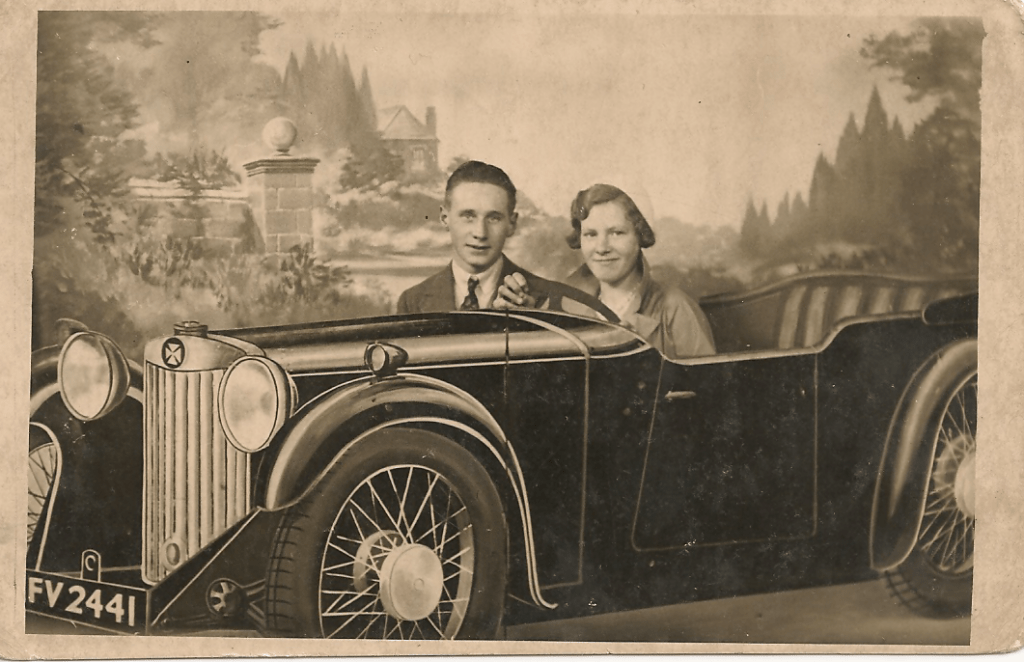
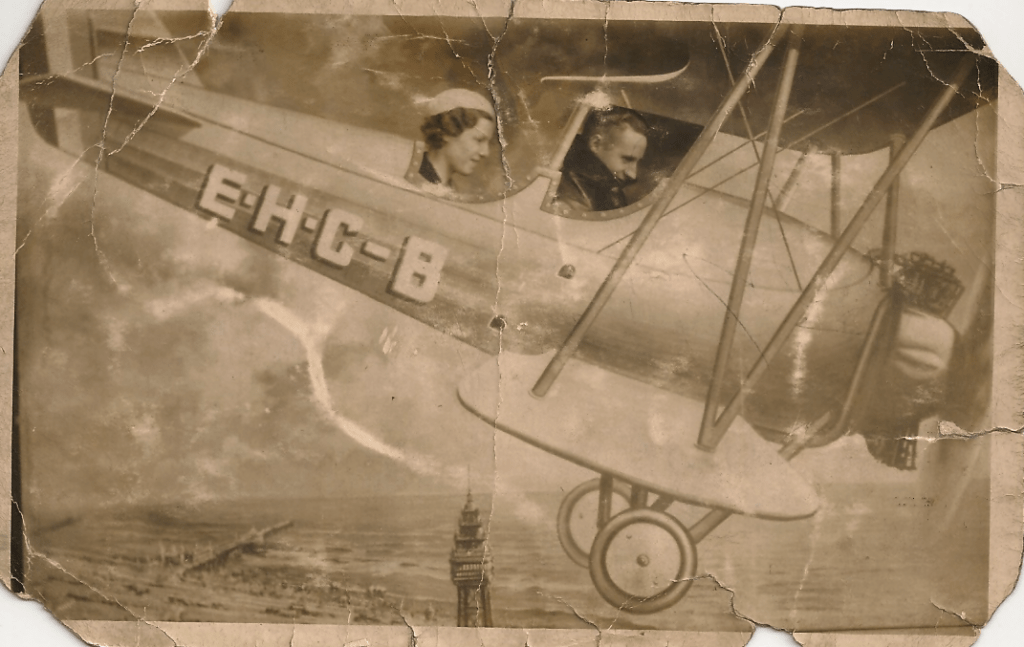
Family research, or genealogy, starts with simple questions like “Who were my ancestors?” and quickly expands into uncovering fascinating details about their lives. Learning about our ancestors’ occupations, struggles, and triumphs gives us a tangible sense of our roots. Each ancestor’s life choices and circumstances contribute to our own story.
Starting your family research can be as simple as interviewing older family members or exploring online databases like Ancestry, FamilySearch, or local archives. Here are some tips to get started:
Document you know: Begin with family records, stories, and photographs. Talk to relatives, as their insights can provide clues that no document will reveal.
Research vital records: vital records—birth, marriage, death certificates—are essential building blocks. They can confirm dates, relationships, and even lead to new branches in your family tree.
Use historical context: Don’t stop at dates and names; investigate the social and historical context. Wars, migrations, and social movements all influenced your ancestors’ lives. Understanding the historical events surrounding your family members can turn facts into a compelling narrative.
Discovering the History of Your House

House research offers another fascinating layer of historical discovery. Every home, whether it’s a grand estate or a modest farmhouse, has a story to tell.
. Understanding the history of your house can reveal information about its architecture, former inhabitants, and the local history of the area.
Start with Public Records: Local property records and deeds are often available at the county clerk’s office or in online databases. These records reveal ownership history, often going back decades or even centuries.
Look for Historic Building Permits or Blueprints: Building permits and blueprints can provide architectural details and even changes made to the structure over time. Some historic homes have archives that detail the original design and any renovations.
Research Previous Owners: If your house is older, it may have passed through the hands of many families. Using census records, newspaper archives, and directories, you can learn who these previous owners were, how they lived, and why they may have moved.
Visit Local Historical Societies and Libraries: Often, local historical societies have collections on specific neighborhoods, including information on houses and their significance. Librarians and archivists can also provide invaluable guidance in finding obscure records.
Historical Research: Bringing it All Together
While family and house research focus on personal and place-based histories, historical research adds layers of broader context. This type of research examines the social, economic, and cultural conditions that shaped the lives of individuals and communities. For example, understanding why families moved across continents, why houses were designed in certain ways, or what significant events influenced a town can illuminate stories within family and home research.
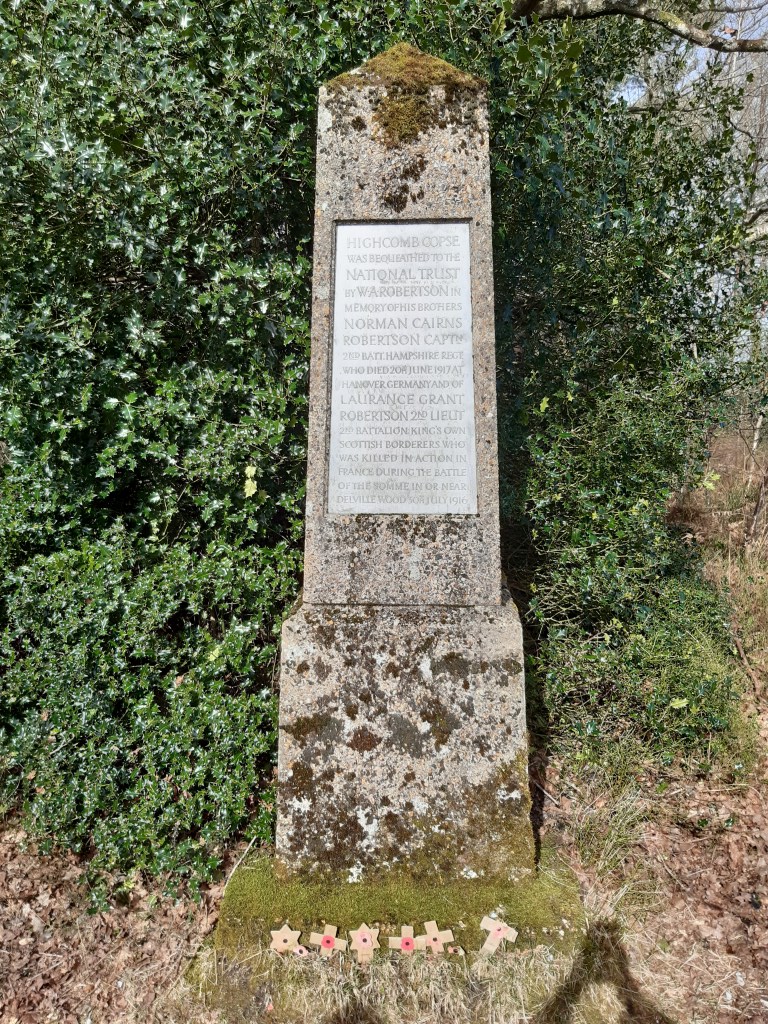
How to use historical research to enrich your family and house history
Contextualize with Local History Books and Maps: Books on local history, maps, and old city directories can show you what a neighborhood or town looked like in the past and how it evolved. Historical maps, especially, reveal changes in neighborhood structures, roads, and even the landscape.
Explore Newspapers and Periodicals: Old newspapers capture the daily lives of past generations, including significant events and social trends that impacted them. Obituaries, marriage announcements, and community events often include fascinating details that connect family and house histories.
Visit Archives and Digital Libraries: Universities, public libraries, and even some private collections house historical records, often with expert archivists who can guide you to the resources you need. Many are digitized and available online, making access easier than ever.
Putting It All Together
The best part of combining family, house, and historical research is transforming raw data into a story. Here are a few ways to weave your findings together:
Create a Timeline: Start by placing events related to your family, house, and local history in chronological order. Look for connections between your ancestors’ lives and events that affected the area or the country.
Map Your Ancestors’ Movements and Homes: Mapping out the places where your ancestors lived, using addresses from census records or family stories, can help you visualize their journey and see how their lives unfolded geographically.
Write a Family or House History Blog or Book: Many family historians compile their findings into books or blogs, making it easy to share with others and preserve for future generations. Including photographs, maps, and documents brings the story to life.
Final Thoughts
Combining family, house, and historical research allows us to see the world through the eyes of those who came before us, bringing their lives into a sharper focus. As we connect the dots between past and present, we gain a greater appreciation for the paths they walked and the places they called home. Whether you’re just starting your journey or looking to dive deeper, remember that each piece of information you find is part of a larger story—your story.

 Sarah Pettyfer