A Former Stable Hidden Among Victorian Houses in Putney
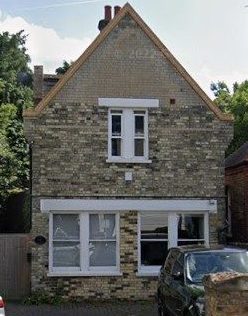
This week, a house history project took me to a charming little converted Victorian stable in Putney, built in the late 1800s. Nestled among larger semi-detached Victorian homes, this small house has a fascinating past that reflects the transformation of Putney from open farmland to suburban London.
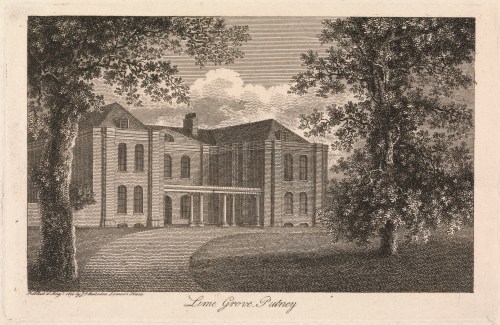
The land on which the stable was built was originally part of Putney’s market gardens, documented in the Tithe Apportionment records of the 1840s. These fertile plots supplied London with fresh fruit, vegetables, and flowers. The property sits opposite the grand 18th-century Lime Grove mansion, demolished around 1862, shortly before the area began to be slowly developed into residential streets.
“Lime Grove, Putney” is marked with CC0 1.0.
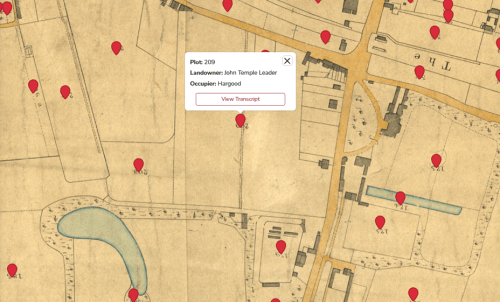
Tithe Apportionment Map; A Map of the Parish of Putney by Charles Lee, 1848; TNA Reference IR 30/34/100 digitised at www.thegenealogist.co.uk
Highlighting plot 209 on which St Johns Raod (later Avenue) was built in the south.
What Ordnance Survey Maps Reveal
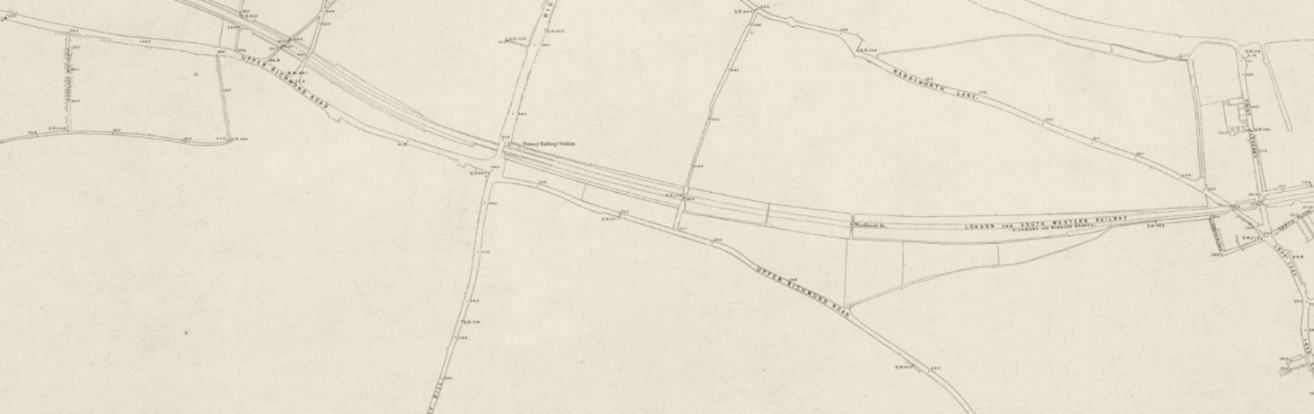
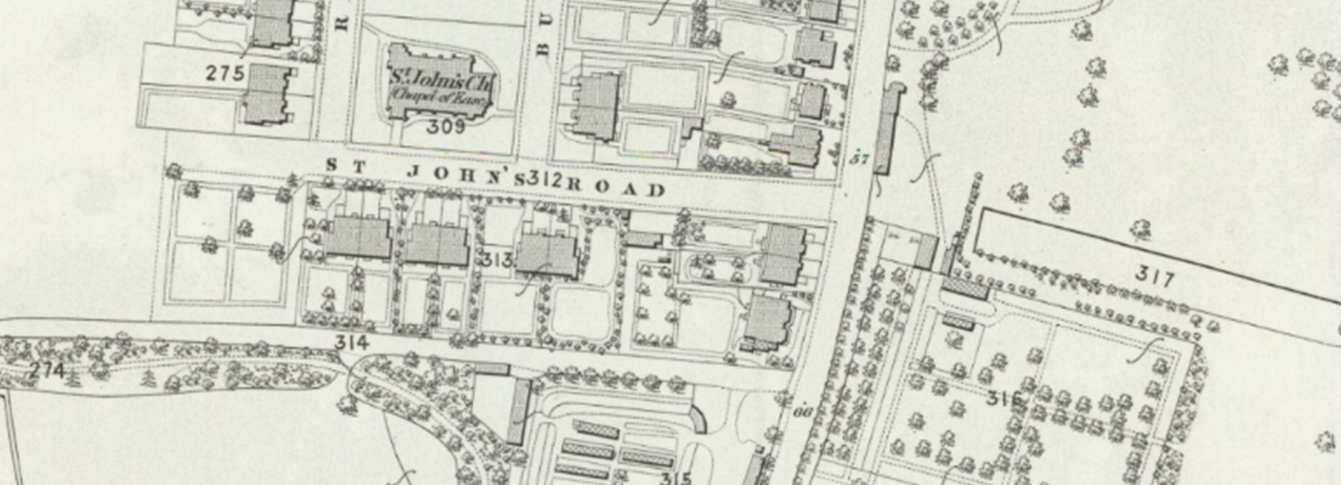
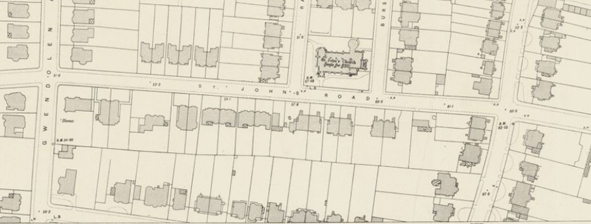
The OS maps (https://maps.nls.uk/) are invaluable for Putney house history research. Comparing maps from 1851, 1866, and 1893 (published 1901) allowed me to pinpoint exactly when the stable appeared on the landscape. These maps also illustrate the gradual development of the surrounding streets, replacing market gardens with Victorian housing.
Freehold, Leasehold, and Occupation Explained
The property’s complex leasehold history—freehold to 99-year lease, sub-leases, and later residential ownership—demonstrates the intricate land arrangements common in late-Victorian Putney. Tracking these documents is essential to understanding how small properties like this stable became private homes.
When the Stable Became a Home
The first residential records appear in the 1921 census. From that point onward, I traced the occupiers through the 1920s and 1930s using electoral registers and the 1939 register. The property was purchased in 1929 and again in 1947, remaining in the same family as a rental home to this day.
This timeline shows how a former agricultural outbuilding gradually became a permanent residence, mirroring the broader suburbanisation of Putney.
Putney’s Lost Market Gardens
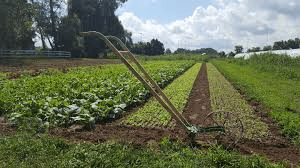
Before urbanisation, Putney was dominated by market gardens. Families cultivated asparagus, rhubarb, cabbages, and strawberries, which were transported by river barges or the newly built railways to London markets such as Covent Garden.
These plots were not just farmland—they were homes, with glasshouses, sheds, and neat rows of beds rather than streets and villas. The fertile soil and proximity to transport routes made Putney a hub for London’s growing demand for fresh produce.
Feeding Victorian London
The river and railway were vital for Putney’s market gardeners. Crops had to reach city markets early in the morning, and the intensive cultivation reflects both the hard work of local families and the high demand of a rapidly expanding London.
Life Before Streets and Villas
By the late 19th century, the march of urban development gradually replaced market gardens with housing. Today, little survives of this period, except in the occasional converted stable or garden plot still visible in Putney streets. The house I researched is one of these rare survivors.
From Market Garden to Modern Putney
This converted Victorian stable is more than a charming home; it’s a living connection to Putney’s past. Its history—from market garden land to a sub-leased stable, to a family home—tells the story of how Putney evolved from open Surrey farmland into a vibrant London suburb.
Understanding the property’s past enriches our appreciation of the streets and homes we see today, revealing the hidden layers of Putney’s long-standing relationship with the river, the city, and its agricultural heritage.
Wednesday at the archives – my first trip of 2026 to my favourite archive
Wednesday is generally my day for an archive visit which this week took me to my first visit of the year to my favourite archive (and local one so I am biased!) Surrey History Centre to spend a charming day researching in – and photographing for later transcription – 15th and 16th century manorial court rolls for my village of Cranleigh. Not only will these help understand the village and its development for the local project I am involved in (see last weeks blog) but also the Licentiateship I have signed up to complete with IHGS studying the development of my village of Cranleigh in the 16th and 17th centuries when it transformed from an unknown hamlet to a bustling rural village.
So, it’s been another busy week! What will next week’s research bring I wonder?
 Sarah Pettyfer